Understanding the History of Local Festivals
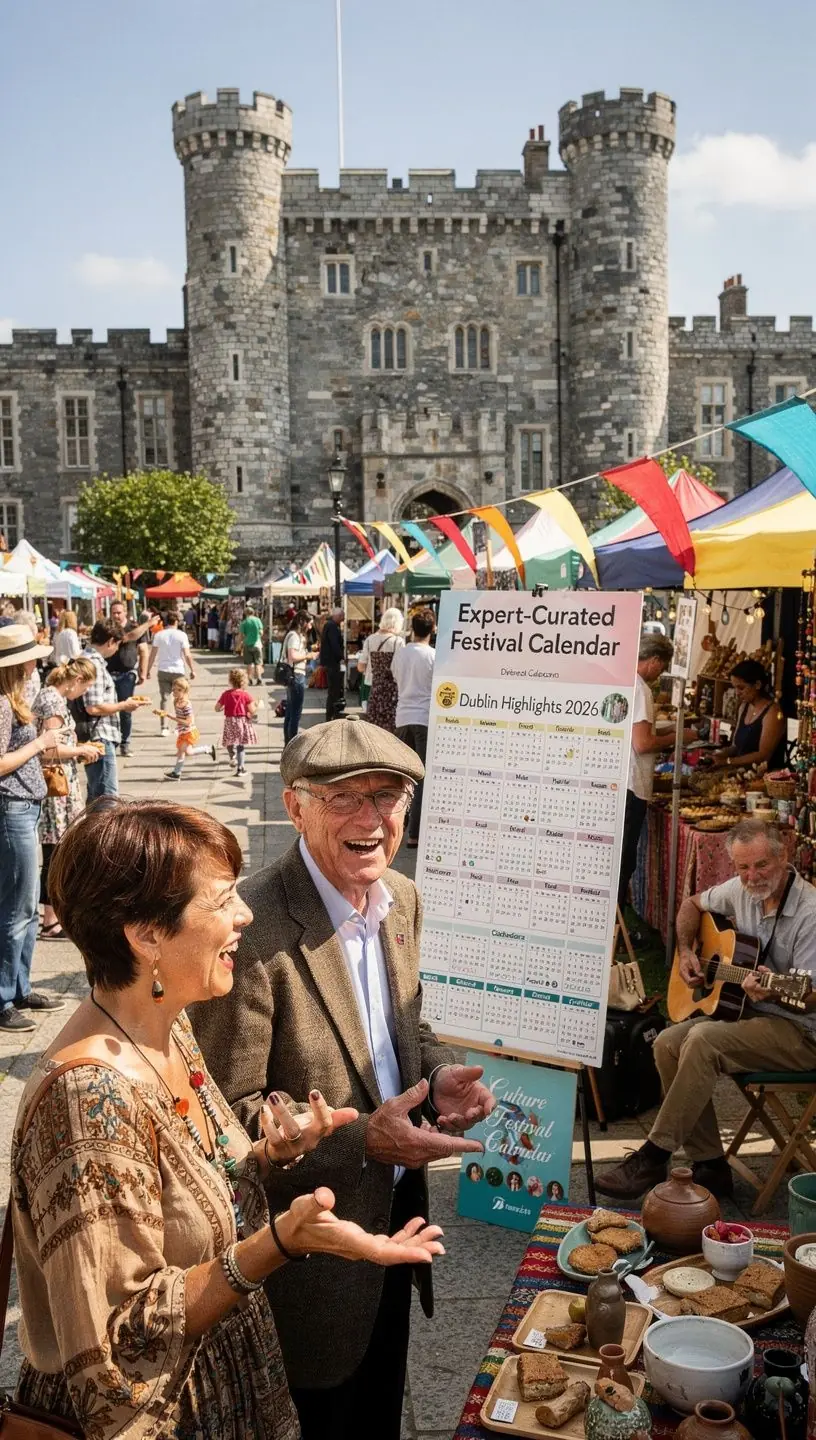
Local festivals are a vibrant expression of community culture, often reflecting shared histories and traditions. Understanding the roots of these events can provide valuable insights into their significance and evolution over time.
The Origins of Local Festivals
According to cultural anthropologists, festivals often originate from agricultural practices or religious celebrations. In many communities, these events marked critical points in the agricultural calendar, such as planting or harvest seasons. This is evident in festivals like Imbolc, traditionally celebrated in early February across Ireland, which signifies the beginning of spring.
"Festivals are a reflection of the cultural identity of a community, showcasing shared values and beliefs." - Cultural Anthropologist
Modern Adaptations of Traditional Festivals
As societies evolve, so too do their festivals. Many local festivals have adapted to reflect contemporary values while still honoring their historical roots. For instance, the Lisdoonvarna Matchmaking Festival, which started in the 19th century as a means for singles to connect, now incorporates various entertainment options, attracting a broader audience. Research suggests that these adaptations often lead to increased participation, with many users reporting a revitalized interest in local traditions.
Common Features of Local Festivals
- Communal Participation: Many festivals rely on the active involvement of community members, which fosters a sense of belonging.
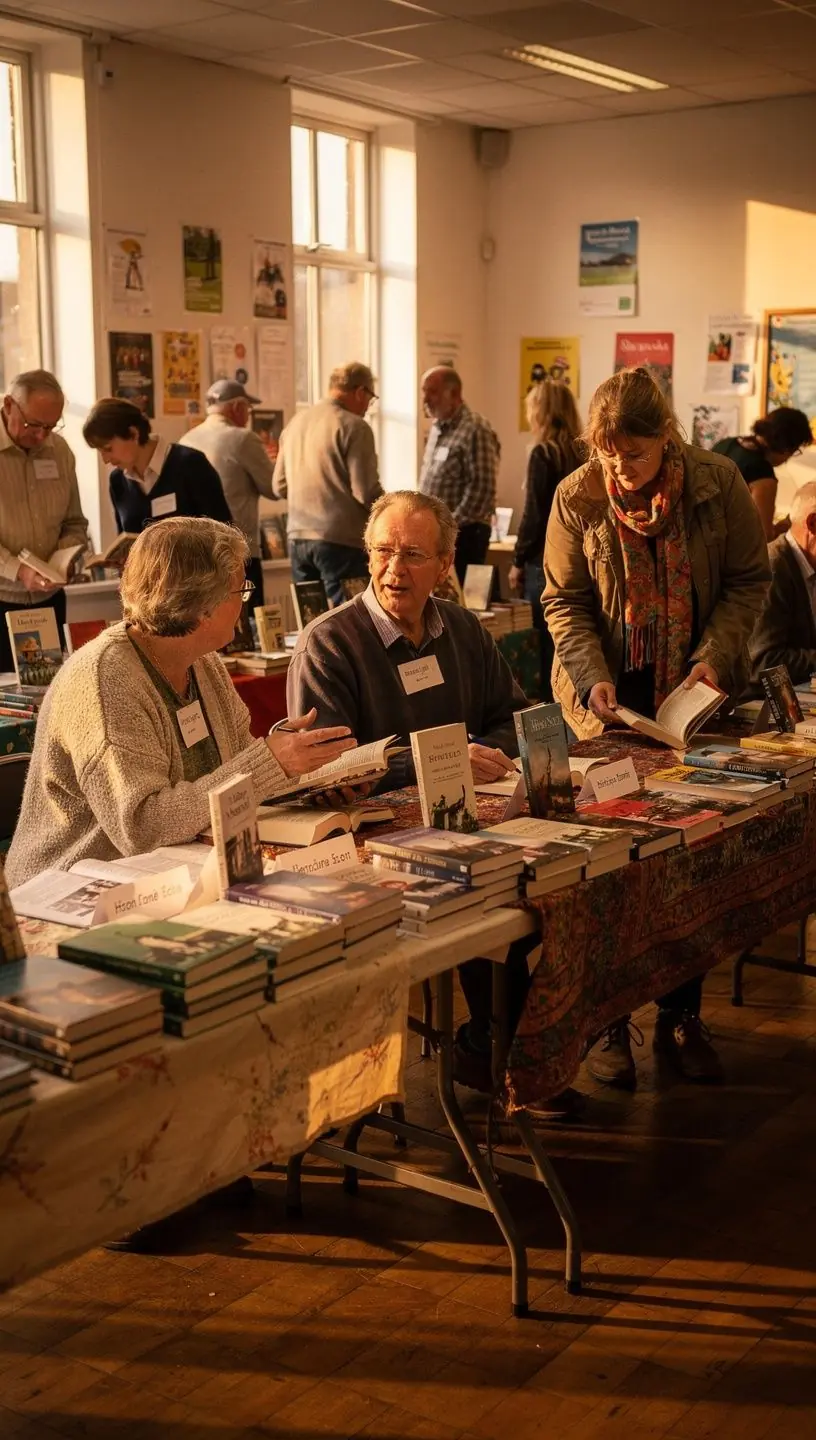
- Cultural Exhibitions: Festivals typically feature performances, arts, and crafts that highlight local talent and heritage.
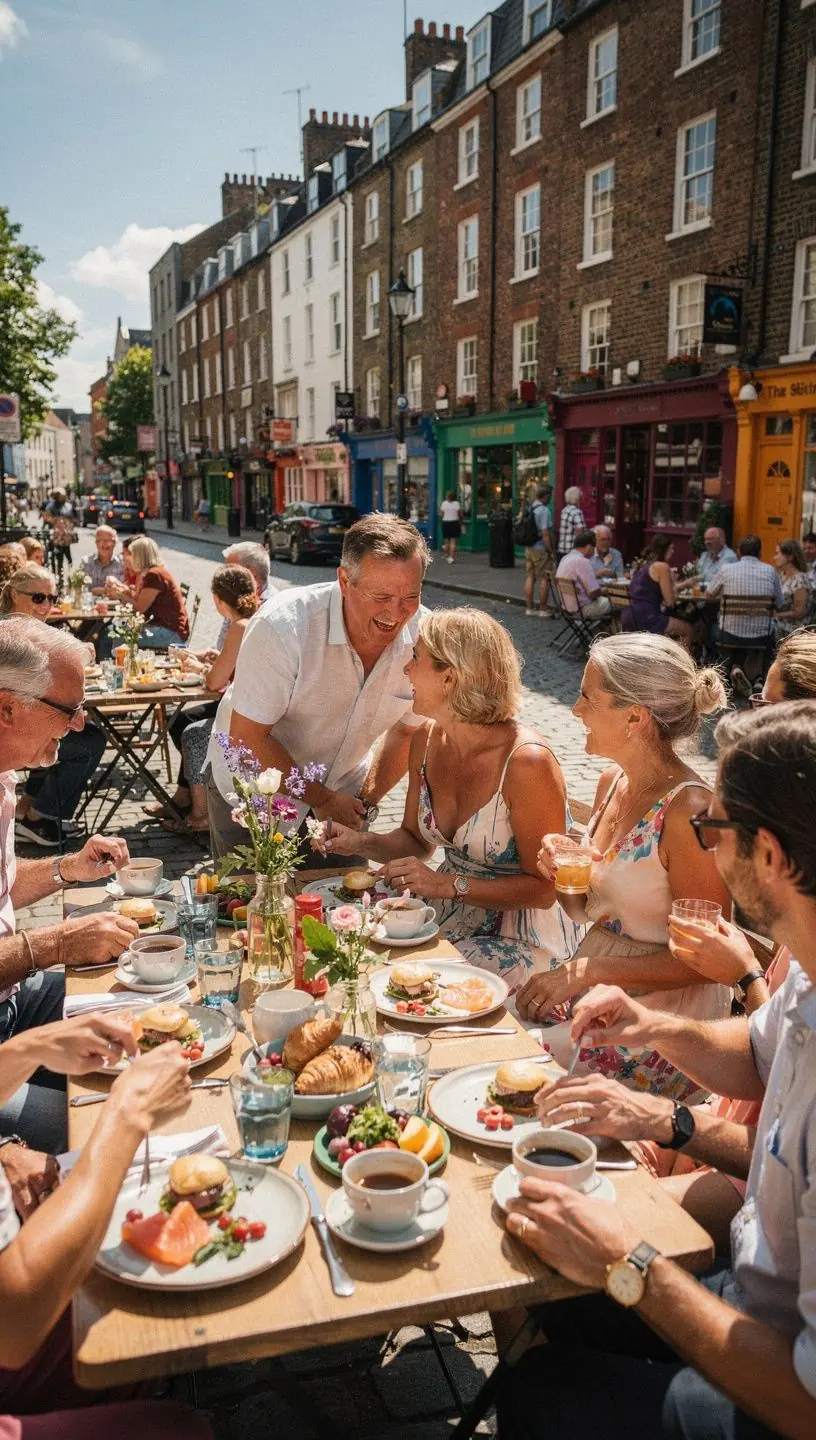
- Food and Drink: Traditional cuisines play a crucial role, allowing attendees to experience regional flavors and culinary practices.
The Educational Value of Local Festivals
Experts in cultural studies highlight that attending local festivals can provide educational opportunities about a community's history and traditions. This engagement often encourages participants to explore their roots and gain a deeper appreciation for their cultural heritage. Many events include workshops, talks, or guided tours, which can enhance understanding and appreciation.
Challenges and Considerations
While local festivals can be enriching, it is essential to acknowledge the challenges involved. Organizing such events typically requires significant planning, resources, and community support. Studies suggest that involving local stakeholders early in the planning process can lead to more successful outcomes and a more engaged community.
Conclusion
Understanding the history of local festivals offers a glimpse into the values and traditions of a community. These events serve not only as celebrations but also as opportunities for education and cultural exchange. By participating in or attending local festivals, individuals can enrich their appreciation of their shared heritage, making these gatherings vital to community identity.