
How to Collaborate with Local Businesses for Events
Partnering with local businesses can enhance your event experience and promote community ties. In this article, we explore effective strategies for collaborating with local enterprises, ensuring mutual benefits.
Understanding the Basics of Collaboration
Collaborating with local businesses for events is a strategic approach that can lead to increased visibility and enhanced attendee experiences. According to industry experts, successful collaborations are built on shared goals and open communication. Typically, this means that both parties should understand each other's strengths and how they can complement each other.
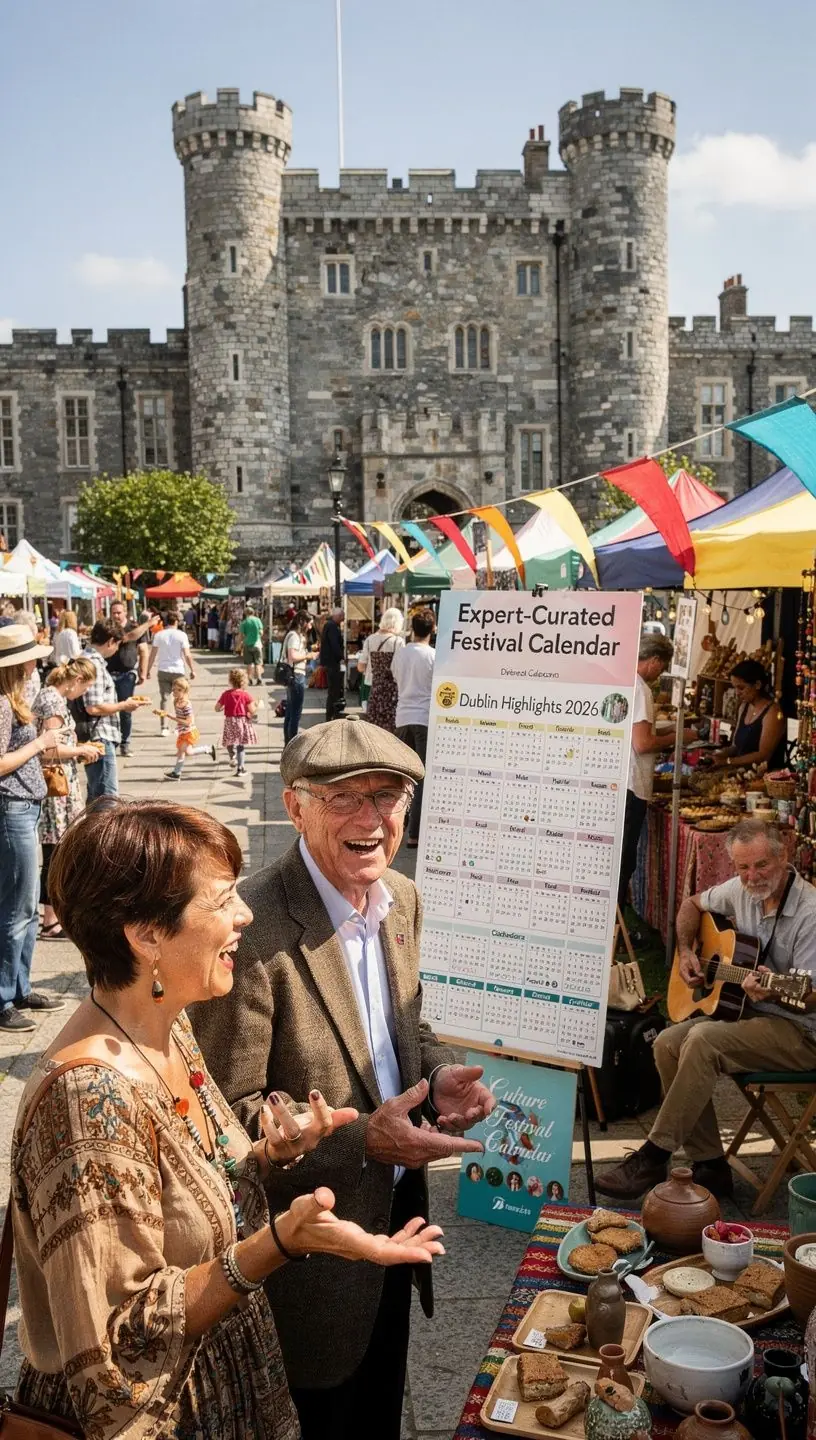
"Effective collaboration hinges on mutual respect and a shared vision, which can help drive successful community events." - Local Business Consultant
Identifying Potential Partners
The first step in collaboration is identifying potential local businesses that align with your event theme. Here are some strategies to consider:
- Research Local Enterprises: Look for businesses that share your target audience. Many users report that partnerships with well-known local brands can boost attendance and interest.
- Attend Networking Events: Engaging in local networking events can provide insights into businesses looking to collaborate. This often leads to organic partnerships rooted in community spirit.
- Evaluate Brand Values: Choose partners whose values resonate with your event themes. This alignment can enhance the overall experience and attract more attendees.
Crafting the Collaboration Proposal
Once potential partners are identified, the next step is to craft a compelling proposal. This is crucial because a well-structured proposal can enhance the likelihood of a successful partnership. Here’s what to include:
- Define the Goals: Clearly outline what each party hopes to achieve. Research indicates that clear objectives can significantly improve collaboration outcomes.
- Detail the Benefits: Explain how the partnership will benefit both sides. Many businesses are interested in exposure and community goodwill.
- Outline Responsibilities: Be specific about what each party will contribute. This includes financial commitments, resources, and promotional efforts.
Executing the Collaboration
Once the proposal is accepted, it’s time to execute the collaboration. This process typically takes a few weeks and requires ongoing communication:
- Regular Meetings: Schedule regular check-ins to ensure both parties are aligned and address any emerging issues.
- Promotion Coordination: Work together on marketing initiatives. Studies show that joint marketing efforts can reach a wider audience.
- Feedback Integration: After the event, gather feedback from both your team and the local business. This is essential to understand what worked and what could be improved for future collaborations.
Conclusion
Collaborating with local businesses for events presents an opportunity to enhance community engagement and provide unique experiences for attendees. While the process requires time and effort, the potential benefits—such as increased attendance and improved public relations—are worth it. By following these guidelines, you can create effective partnerships that not only boost your event's success but also contribute positively to the local economy.
Discover More