How to Promote Local Events Effectively
Promoting local events is a crucial aspect of ensuring community engagement and attendance. With so many options available, it's essential to adopt strategies that have proven effective and are supported by research.
Understanding the Basics of Event Promotion
Event promotion typically involves a blend of online and offline strategies aimed at reaching your target audience. According to studies, effective event promotion can lead to an increase in attendance by up to 30% when the right channels are utilized. Research suggests that combining social media outreach with traditional marketing methods tends to yield the best results.
"Consistent messaging across multiple platforms enhances visibility and fosters community interest." - Local Marketing Expert
Key Strategies for Effective Event Promotion
- Utilize Social Media Wisely: Many event organizers report that platforms like Facebook, Instagram, and Twitter serve as excellent tools for engagement. Creating event pages, using hashtags, and encouraging shares can spread awareness significantly. Experts recommend starting your social media campaign at least 3-4 weeks before the event.
- Leverage Local Influencers: Collaborating with local influencers can effectively reach a broader audience. In most cases, influencers familiar with the community can lend credibility to your event. This method may require time to build relationships and negotiate terms, but it often pays off.
- Engage with the Community: Hosting pre-event activities or engaging in local discussions can generate buzz. Many users have found that Q&A sessions or teaser events help build anticipation. This approach works best when integrated with local partnerships to enhance credibility.
Optimizing Offline Promotion
While digital marketing is essential, offline methods should not be overlooked. Research indicates that traditional methods, such as flyers, community boards, and local radio announcements, can still reach segments of the population that may not be active online.
- Flyers and Posters: Distributing flyers in community hubs like cafes, libraries, and local shops can capture the attention of potential attendees. Ensure the design is visually appealing and contains all relevant information. This method typically requires a lead time of 2-3 weeks for maximum effect.
- Networking with Local Businesses: Establishing relationships with local businesses can bolster your event's visibility. Many businesses appreciate the opportunity to host promotional material and may even share your event on their platforms.
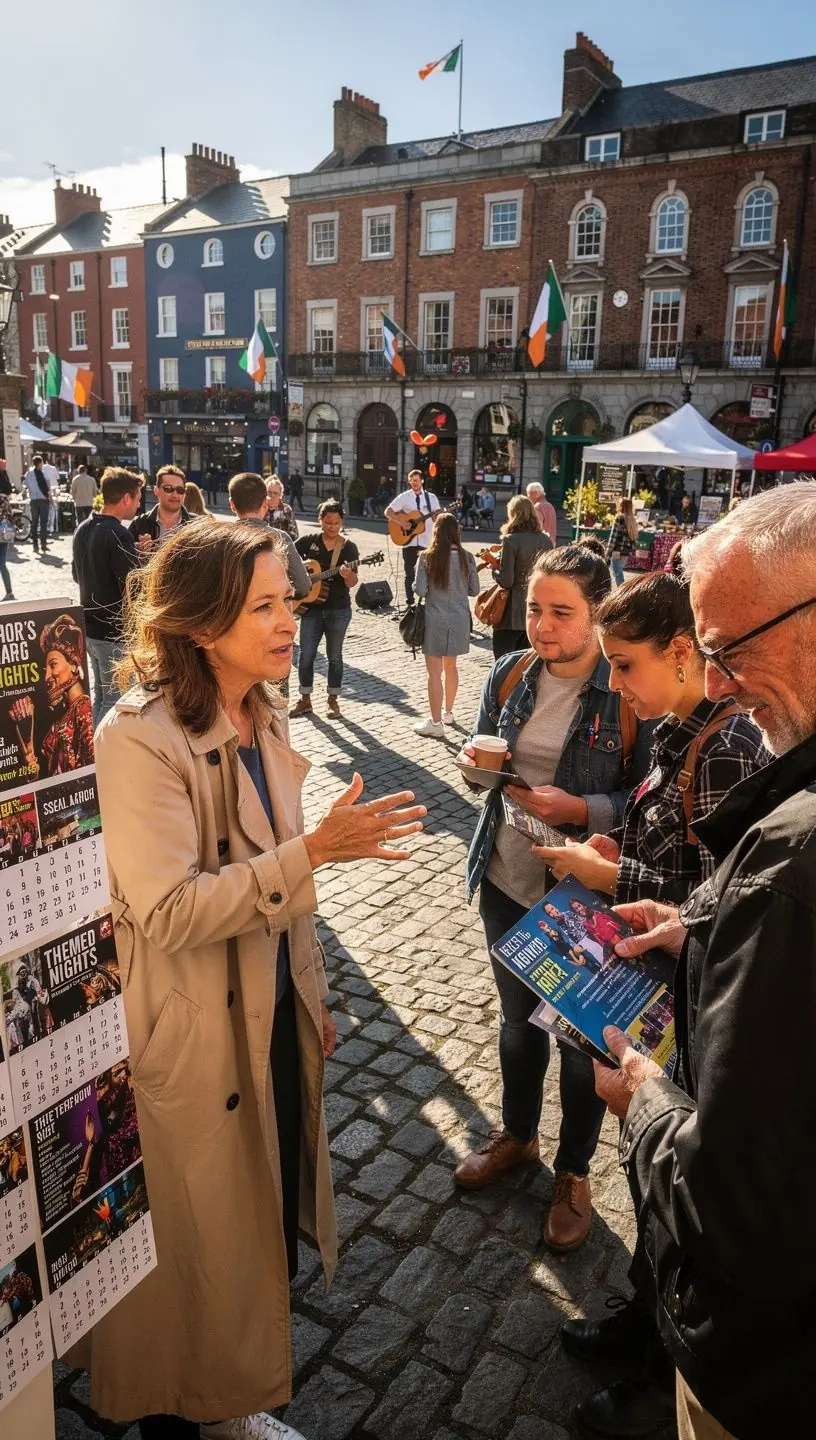
- Attend Local Fairs and Markets: Setting up a booth at local events allows for in-person interactions with potential attendees. This strategy not only raises awareness but also offers a personal touch that digital methods often lack.
Measuring Success and Adjusting Strategies
Once your event concludes, it's essential to assess the effectiveness of your promotional efforts. Most experts suggest collecting feedback through surveys or social media polls. This information helps you understand what strategies resonated with your audience and what can be improved for future events.
Conclusion
Effective local event promotion requires a well-rounded approach that combines both online and offline methods. While strategies like social media engagement and influencer partnerships are vital, traditional methods still play an important role. By setting realistic expectations and allowing sufficient time for your promotional efforts, you can significantly enhance community engagement and event attendance.
Discover More