Creating Inclusive Events for Diverse Audiences
As cities evolve, so do their populations. Hosting events that cater to a diverse audience is not only beneficial but essential for fostering community engagement and inclusion. This article explores effective strategies for creating inclusive events that resonate with various demographic groups.
Understanding the Importance of Inclusivity
Inclusivity in event planning is vital because it acknowledges and respects the diverse backgrounds of participants. According to research from the Institute of Community Engagement, events that embrace diversity can enhance social cohesion and encourage participation from typically underrepresented groups. This works because when people feel seen and respected, they are more likely to engage in community activities.
"Inclusive events create a sense of belonging, which is essential for community well-being." - Community Engagement Expert
Practical Steps for Creating Inclusive Events
To ensure your events are welcoming to everyone, consider the following practices:
- Conduct Audience Research: Gathering data about your target audience helps in understanding their preferences and needs. Surveys or focus groups can be effective tools to gauge interest and identify potential barriers to participation.
- Accessibility Considerations: An inclusive event often means ensuring physical accessibility. This typically requires venues to be wheelchair-friendly and offering materials in various languages. Experts recommend assessing the venue using an accessibility checklist to identify necessary adjustments.
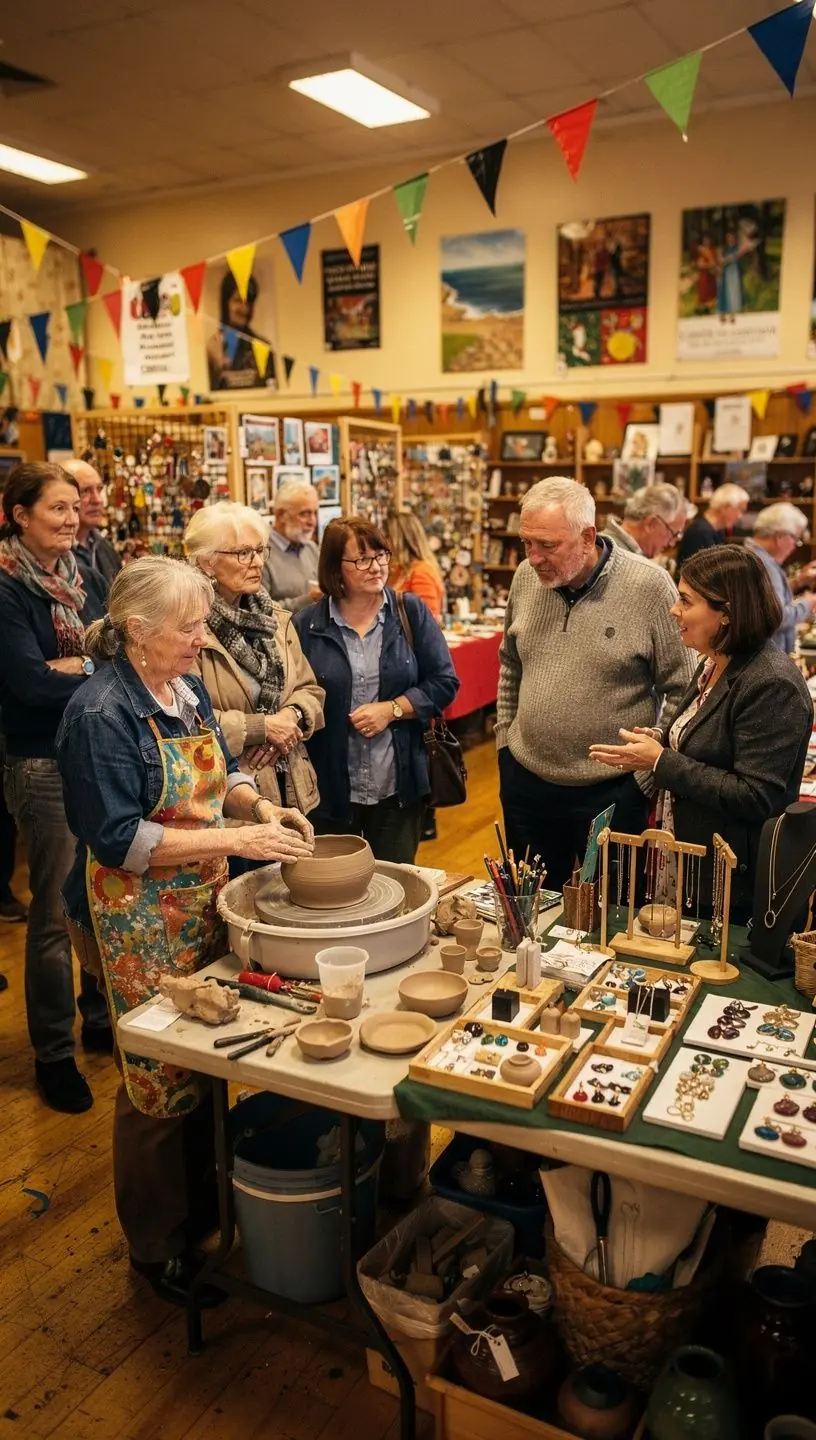
- Diverse Programming: Incorporate a variety of activities that cater to different cultural backgrounds and interests. For instance, hosting workshops that celebrate different heritages can be an effective way to engage diverse audiences. This approach can help to create a richer experience for all participants.
Building an Inclusive Environment
Creating an inclusive atmosphere goes beyond logistics. It involves fostering a culture of respect and understanding. Here are some key elements:
- Train Staff and Volunteers: Providing sensitivity training for staff and volunteers can make a significant difference. Research shows that training can improve interactions and enhance the overall experience for attendees.
- Feedback Mechanisms: Establish channels for attendees to provide feedback about their experiences. This not only helps improve future events but also signals to participants that their voices matter.
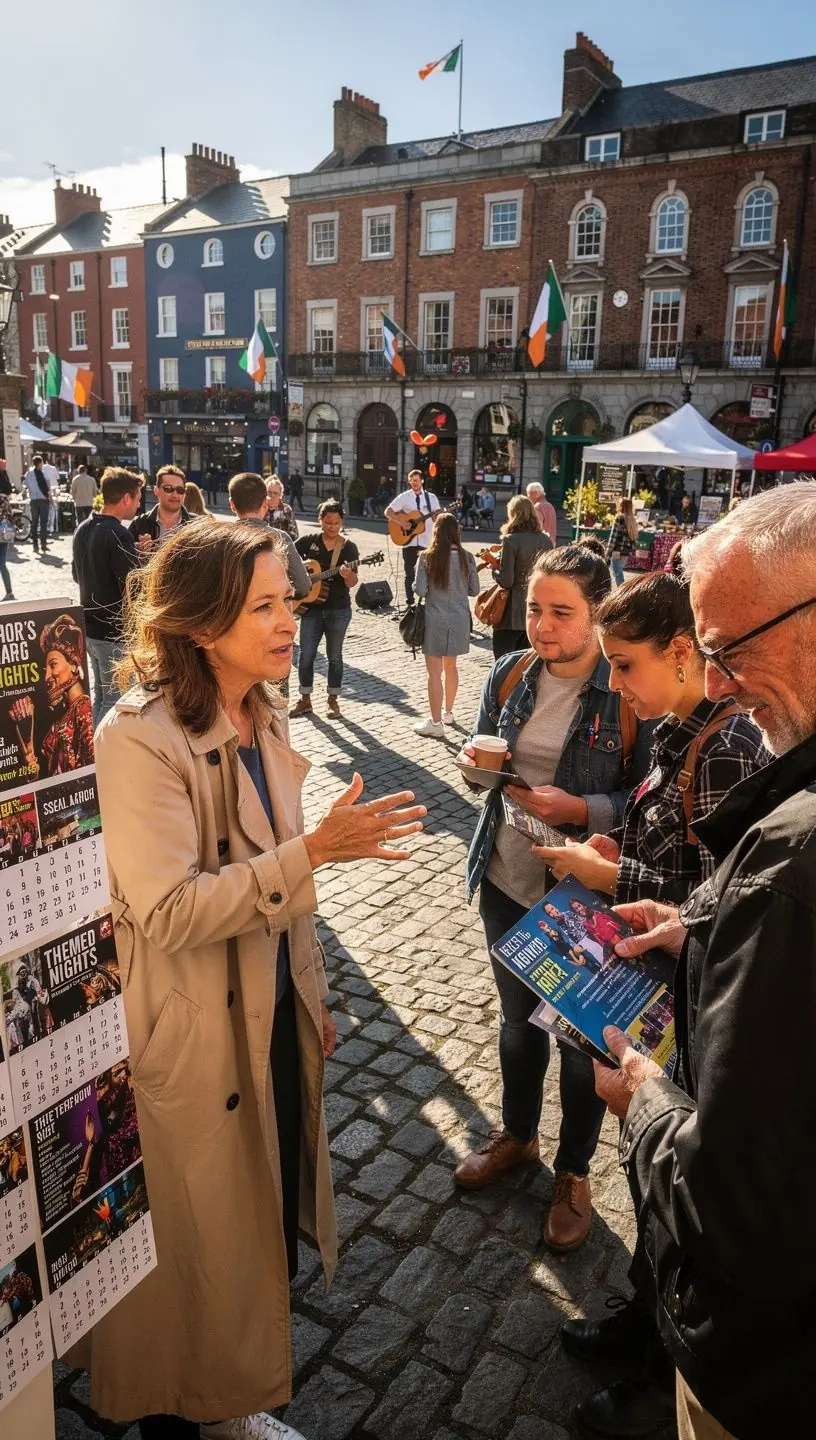
- Promote Diversity in Marketing: Use diverse imagery in promotional materials and messaging. This helps potential attendees visualize themselves as part of the event, which may encourage participation.
Conclusion
Creating inclusive events is a worthwhile endeavor that requires intentional planning and continuous effort. By implementing the strategies outlined above, event organizers can foster environments where everyone feels welcome and valued. Remember, the process of inclusivity is ongoing, and engaging with the community to adapt and improve is essential for long-term success.
Discover More